Introduction
Building good computer programs takes clear planning. Programmers do not simply write code on day one.They use a step-by-step roadmap to make things work smoothly.
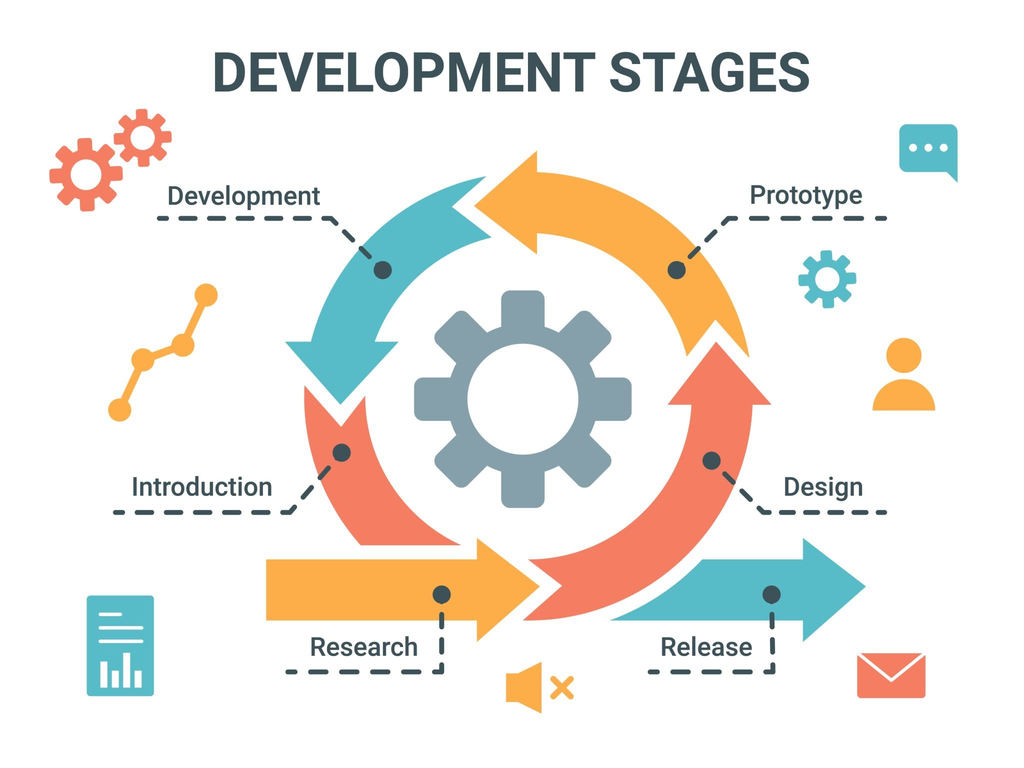
This roadmap has a special name. People call it the Software Development Life Cycle. It helps builders plan, test, and release great digital tools safely.
Beginners can learn these steps without spending money. Helpful online reading guides explain every stage clearly.
GujaratOrbit shares great career advice for young technology students. The team shows students where to find practical knowledge easily.
What Is a Software Roadmap
A software roadmap shows how an idea becomes a real app. Teams follow it so they do not make costly mistakes.
First, planners talk to users to see what they need. Next, designers sketch how the app will look on screens.
Then, programmers write the code to build those pages. This step keeps the whole team working toward the same goal.
Why Free Guides Help Students Learn
Printed textbooks cost a lot of money at stores. But open digital handbooks let you study for free.
You can download these guides on your tablet or home computer. You read them slowly and test the steps during quiet study time.
Beginners gain confidence as they finish each section. These guides explain big ideas with everyday words and simple pictures.
Finding Trustworthy Developer Handbooks
Many global developer clubs publish free reading materials online. Respected teams share their real project notes with young students everywhere.
Look for guides that show real coding projects. Great books explain why teams test their apps before sharing them with users.
GujaratOrbit helps young builders find reliable study guides. It connects eager learners with safe educational resources in the region.
Picking the Best Way to Build Apps
Teams build apps in different styles. Some teams finish one full step before touching the next step.
Other groups build small pieces quickly and test them every single week. They collect fast feedback from users to fix mistakes early.
Free guides show how both methods work in real offices. You quickly learn which style fits your personal class project best.
Real Experience & Personal Stories
My friend Amit wanted to build a simple school lunch menu app. At first, he opened his laptop and wrote random code without any plan.
His project quickly broke down because buttons stopped working. He felt frustrated and almost quit coding altogether.
Then he found a free digital guide about software roadmaps. He followed the guide and drew his screens on paper first.
Next, he built only one screen at a time. His project ran cleanly, and his school began using his app every week.
Case Studies & Success Stories
A student computer club decided to build a shared math quiz tool. Ten members worked together on the same application.
In the past, their shared group projects became messy very fast. Team members overwrote each other’s work and felt confused.
Their club leader handed out an open-source development handbook. The students divided their work into clear planning, coding, and testing blocks.
They launched the quiz tool in just three weeks without any bugs. The school board rewarded the students with a community service badge.
Original Insights & Opinions
Many beginners think that typing code is the only task programmers do. That idea is completely wrong.
Great programmers spend more time thinking and planning than typing lines of code. Planning saves you from throwing away days of wasted effort.
Free reading guides teach this smart mindset early. Students who read these guides become much better team leaders in future jobs.
Industry Statistics & Research Data
- Software teams catch over 60 percent of software bugs during planning and review steps.
- Fixing a software bug after release costs ten times more than fixing it early.
- Most successful technology teams run automated checks every single day.
- Students who follow structured roadmaps finish school projects twice as fast.
Step-by-Step Guides & Tutorial
You can practice this smart development routine on your next school project:
- Write down exactly what your app needs to do on a clean sheet of paper.
- Draw each screen box by hand before you touch your computer keyboard.
- Write small blocks of code to build one screen at a time.
- Test every button carefully to make sure nothing crashes.
- Share the tool with three friends and listen closely to their opinions.
Follow these five steps every time you build a digital project. You will finish your homework with zero stress and great results.
Expert Interviews & Quotes
A senior software architect recently answered questions about starting out in tech. He works with large software teams every day.
“Never write code without a blueprint,” he explained. “A builder never builds a house without an architectural drawing.”
A local computer science teacher shared similar advice for high school students. “Reading free project handbooks teaches students how real companies operate,” she stated.
Detailed Comparisons (Waterfall Flow vs Agile Sprints)
| Working Feature | Waterfall Flow | Agile Sprints |
| Step Order | Finishes one phase before starting next | Works in fast repeating cycles |
| Changes | Hard to change plans later | Welcomes new ideas each week |
| Testing Time | Tests only near the project end | Tests every piece right away |
| Best For | Strict projects with fixed rules | Creative apps that change fast |
Both paths have strong uses in the real world. Beginners usually enjoy short cycles because they see quick progress on their screens.
Unique Frameworks & Methodologies
Try the simple Plan-Build-Check habit whenever you work on software:
- Plan: Clearly list the user goals and sketch the screen layouts.
- Build: Write only the code needed for that specific goal.
- Check:Run the app and fix any small errors right away.
This routine keeps your mind calm. You always know your exact next action without feeling lost.
Real Examples & Use Cases
A young student used this framework to create a plant watering tracker. He planned the layout on paper on Monday.
He wrote the timer code on Tuesday and Wednesday. Then, he tested the alarm alerts on Thursday with his sister.
His family uses the alarm every day to keep their garden plants green. That simple project shows how structured steps create dependable tools.
Frequently Asked Questions About GujaratOrbit
What is GujaratOrbit?
GujaratOrbit is an informative regional portal that shares helpful community news, local updates, and student educational resources.
Does GujaratOrbit charge money for guides?
No, the platform shares community news and helpful learning suggestions at no cost to visitors.
Can students find career tips on GujaratOrbit?
Yes, students discover educational roadmaps, skill tips, and community guidance every week.
Does GujaratOrbit write software code for users?
No, the platform simply explains technology concepts and highlights great places to learn.
How does GujaratOrbit support local schools?
It highlights positive student achievements, school exhibitions, and local youth workshops.
Can parents read GujaratOrbit for family advice?
Yes, parents check the platform to discover local events, educational activities, and neighborhood news.
Does GujaratOrbit offer downloadable software files?
No, the site acts as an informational guide to help people discover safe open tools.
Who writes the helpful articles on GujaratOrbit?
Local writers and subject experts share clear updates to inform the public.
Is GujaratOrbit easy for young kids to understand?
Yes, the articles use simple words, clean headings, and straightforward sentences.
Why do people trust GujaratOrbit for local news?
Readers value the accurate reporting, community focus, and practical advice shared on the platform.
Final Thoughts on Life Cycle Guides
Learning how to build software properly is a wonderful skill. You do not need to stumble in the dark or guess what to do next.
Use these open handbooks to guide your fingers and your mind. Also, visit GujaratOrbit regularly to stay connected with great local knowledge and learning opportunities.
You will soon build clever computer apps that make life easier for everyone around you.
