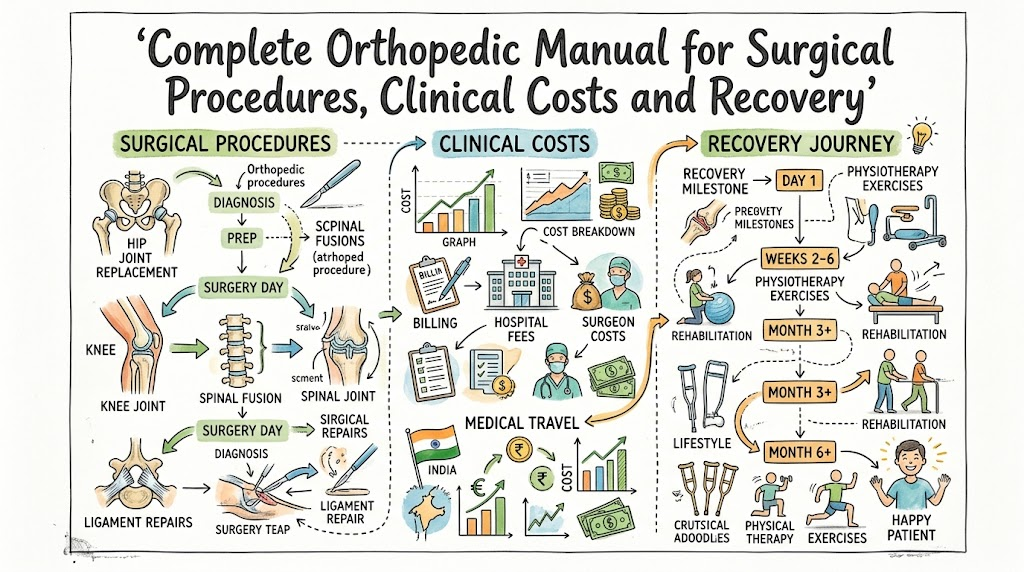
Cartilage deterioration severely hinders daily physical autonomy, yet responsible joint care demands calculated analysis rather than hasty operative interventions. Enduring intense leg stiffness rarely necessitates immediate surgical intervention, because targeted exercise regimens and non-invasive measures frequently restore functional mobility. Consequently, patients achieve better physical outcomes when they evaluate clinical centers, examine doctor qualifications, analyze procedure types, anticipate itemized expenses, and confirm institutional infection standards well in advance. Thorough preparation protects patient health and establishes predictable recovery targets. Meanwhile, forward-thinking families streamline their exploratory process by using KneeHospitals to discover accredited surgical centers, compare clinical practices, and assess experienced practitioners before attending formal clinical evaluations.
What Is KneeHospitals?
This interactive directory operates as an educational bridge that connects families with accredited surgical centers, leading orthopedic doctors, and detailed joint-preservation literature. Additionally, the platform outlines diverse healthcare strategies ranging from low-impact conditioning to complete articular reconstruction, alongside local physical therapy pathways and travel logistics. Prospective patients evaluate regional institutional expenses across multiple healthcare centers, gaining financial clarity before entering consultation rooms. Above all, this educational database functions purely as an informational guide, meaning it never substitutes for face-to-face physician evaluations, imaging interpretations, or tailored clinical prescriptions crafted by licensed orthopedic professionals.
Why Use KneeHospitals When Researching Knee Treatment?
Hospital Discovery
Families examine prominent healthcare institutions by reviewing specialized orthopedic wings, high-dependency units, and institutional infection prevention certificates using targeted search parameters.
Doctor and Surgeon Research
Scrutinizing verified clinical credentials, procedural track records, and extensive joint-reconstruction experience allows prospective patients to pick trusted surgical professionals with absolute clarity.
Procedure Education
Straightforward clinical breakdowns clarify complex surgical terms, effectively helping individuals distinguish between targeted tissue debridement and comprehensive articular resurfacing techniques.
Destination Comparison
Evaluating domestic and international healthcare destinations helps households organize transit logistics, book affordable local lodging, and plan follow-up visits efficiently.
Cost Research
Reviewing institutional pricing data assists families in preparing clear budgets, although patients must confirm final itemized quotes directly with their selected hospitals.
What Is Knee Replacement Surgery?
When progressive tissue wear diminishes functional movement, orthopedic surgeons perform Knee Replacement Surgery to rebuild joint stability and restore physical self-reliance. Persistent osteoarthritic wear, chronic inflammatory conditions, and prior mechanical trauma regularly strip away smooth cartilage layers, generating agonizing friction during routine daily steps. Therefore, experienced clinicians examine gait symmetry, range of motion, and weight-bearing radiographic scans before booking an operating theater. Whenever feasible, doctors exhaust non-invasive protocols first, using surgical resurfacing as a definitive path that eliminates severe pain, realigns mechanical axes, and restores fluid leg motion.
Total Knee Replacement vs Partial Knee Replacement
Surgeons select Total Knee Replacement whenever severe arthritis compromises multiple compartments within the joint, completely resurfacing the worn bone ends with medical-grade metal alloys and specialized polyethylene spacers. Conversely, Partial Knee Replacement treats isolated cartilage erosion confined to a single anatomical zone, deliberately preserving natural bone volume, native ligaments, and biological knee mechanics. Neither procedural option holds universal superiority over the other; instead, detailed diagnostic evaluations, ligament durability, and imaging results determine the ideal surgical fit for every individual.
| Area Treated | Amount of Joint Replaced | Typical Clinical Situation | Patient Suitability | Recovery Considerations | Decision-Making Factors |
|---|---|---|---|---|---|
| Entire joint surface | All three damaged compartments | Tricompartmental osteoarthritis | Extensive multi-compartment joint erosion | Gradual rehabilitation over six to twelve weeks | Overall ligament balance, severe deformity |
| Single compartment | Medial or lateral isolated area | Unicompartmental joint deterioration | Intact natural cruciate ligaments | Rapid physical rehabilitation within weeks | Isolated joint wear, ligament stability |
What Is Robotic Knee Replacement Surgery?
Modern surgical teams incorporate Robotic Knee Replacement Surgery to raise operative precision through three-dimensional digital mapping and tactile computer boundary control. Throughout these technical operations, the orthopedic surgeon drives the entire procedure, utilizing computer assistance to carve bone boundaries according to individualized anatomical blueprints. This continuous technical feedback shields vital soft-tissue structures and optimizes implant position, but the robotic platform never operates autonomously or replaces experienced surgical hands. For that reason, patients should assess facility technology charges, verify surgeon procedural frequency, and confirm whether robotic tools genuinely benefit their specific skeletal structure.
What Is Knee Arthroscopy?
Minimizing operational tissue trauma, Knee Arthroscopy allows surgical specialists to examine, diagnose, and treat internal joint injuries using slender fiber-optic imaging cameras through microscopic incisions. Orthopedic teams introduce delicate surgical tools through secondary openings to excise torn meniscus sections, repair disrupted stabilizing ligaments, or remove floating cartilage bodies from the joint capsule. Unlike definitive joint reconstructions that shave away deteriorated bone surfaces, arthroscopic surgeries repair damaged soft tissues while preserving native structural anatomy. As a result, healing progresses swiftly, letting active individuals resume normal walking routines within a few days alongside directed physical therapy.
Understanding Knee Pain Treatment Before Surgery
Before scheduling any surgical procedure, individuals facing persistent knee stiffness must test conservative medical pathways designed to restore physical movement naturally. Structured Knee Pain Treatment blends personalized physiotherapy programs, focused quadriceps conditioning routines, low-impact exercise strategies, and deliberate weight-management goals to minimize joint loading. Additionally, off-loader braces, temporary anti-inflammatory drugs, and targeted hyaluronic or corticosteroid injections regularly soothe acute inflammation without surgical disruption. When chronic pain continues to restrict everyday tasks despite persistent non-invasive therapy, scheduling a formal consultation with an orthopedic surgeon represents the next logical step.
How Much Does Knee Replacement Surgery Cost?
Because anatomical needs differ between patients, the total Knee Replacement Surgery Cost fluctuates widely across different hospital categories, local economics, and personal medical requirements. Metro healthcare centers and private executive rooms raise basic facility expenses, while surgeon fees, high-performance implant alloys, advanced diagnostics, and dedicated physical rehabilitation widen the overall financial commitment. Furthermore, choosing robotic-assisted equipment, treating underlying health conditions, and organizing regional travel logistics visibly influence the final hospital bill. Since unexpected medications or extended recovery days alter initial quotes, families must request transparent, line-item cost projections directly from medical financial counselors.
| Cost Factor | Why It Matters |
|---|---|
| Surgeon fee | Reflects specialized professional experience, clinical expertise, and surgical time |
| Hospital charges | Covers operating theater resources, nursing care, and selected room categories |
| Implant selection | Modern specialized alloys and cross-linked polyethylene inserts carry distinct costs |
| Surgical technology | Incorporating robotic arms or real-time computer navigation modifies facility fees |
| Diagnostic tests | Preoperative blood panels, cardiac assessments, and detailed digital radiography |
| Rehabilitation | Ongoing physical therapy sessions drive functional recovery and overall expenditure |
| Travel logistics | Transportation, specialized accessible transfers, and extended lodging for families |
| Medical contingencies | Unexpected medical management or extended observation expands financial estimates |
How to Choose the Best Knee Replacement Hospitals
Identifying an outstanding healthcare institution demands careful examination of medical performance rather than commercial advertisements, because the Best Knee Replacement Hospitals maintain verifiable standards in clinical safety and patient recovery.
- Surgeon Expertise: Select board-certified orthopedic specialists who routinely complete high numbers of joint reconstructions and revision surgeries annually.
- Hospital Infrastructure: Confirm that the clinical center houses dedicated orthopedic operating suites with laminar air handling units and advanced intensive care wards.
- Rehabilitation Services: Verify that the facility employs in-house physical therapists who initiate ambulation exercises within hours following surgery.
- Transparent Pricing: Choose hospitals that supply comprehensive, itemized quotes covering implants, pharmaceuticals, operating tools, and room tariffs without hidden extras.
- Clear Communication: Partner with healthcare teams that explain operational risks transparently, set clear recovery goals, and address family questions thoroughly.
- Patient Safety: Examine published surgical site infection statistics, emergency clinical response protocols, and formal hospital accreditation records carefully.
- Follow-Up Access: Ensure the orthopedic team maintains digital consultation channels, local dressing care options, and accessible emergency contact methods post-discharge.
How KneeHospitals Can Help During the Research Process
Individuals facing daunting joint replacement decisions use this educational directory to turn complex healthcare choices into a simple, step-by-step action plan. Initially, people catalog their daily physical difficulties, organize recent diagnostic X-rays, and study relevant surgical therapies via educational platform materials. Next, users explore accredited regional hospitals, inspect surgeon credentials, and request introductory facility evaluations to compare operative techniques directly. Ultimately, the system enables prospective patients to analyze comprehensive hospital estimates, coordinate outpatient rehabilitation services, and establish post-treatment reviews, promoting informed healthcare choices from initial inquiries to full daily mobility.
Real-Life Scenarios: How Patients Can Think Through the Decision
- Active Middle-Aged Runner: A recreational jogger with an isolated tear in the medial meniscus evaluates partial compartmental resurfacing against arthroscopic trimming, ultimately choosing targeted joint preservation alongside focused physical training to protect natural bone structures.
- Senior Citizen with Advanced Arthritis: An older adult suffering from severe joint degeneration that impairs indoor walking compares major orthopedic centers, selecting high-volume surgeons who perform total joint reconstructions backed by strong inpatient rehabilitation teams.
- Budget-Conscious Medical Traveler: A patient looking for cost-effective surgical care in other cities compares comprehensive institutional packages, selecting accredited tertiary hospitals that combine surgical care, robotic navigation, local transport coordination, and dedicated patient liaisons.
Questions to Ask Before Knee Replacement Surgery
- Diagnosis: Which specific anatomical joint structures produce my persistent pain symptoms?
- Severity: Has the cartilage layer eroded completely, creating direct bone-on-bone contact?
- Non-Surgical Alternatives: Have we exhausted every non-invasive physical therapy routine, oral prescription, and joint injection program?
- Procedure Type: Does my physical condition require total joint reconstruction, or can I undergo partial resurfacing?
- Implant Specifications: Which specific implant materials, designs, and fixation options best suit my activity goals?
- Technology Options: Will robotic navigation or computer alignment tools provide distinct benefits for my joint anatomy?
- Procedural Risks: What specific medical measures does the clinical team take to stop surgical infections and blood clots?
- Hospitalization Duration: How many days must I stay inside the orthopedic ward after surgery?
- Rehabilitation Program: When does physical therapy begin, and how many weekly rehabilitation appointments will I need at home?
- Recovery Timeline: How many weeks must pass before I can safely drive a car, navigate staircases, and handle job tasks?
- Total Expenditure: What single comprehensive figure covers surgeon payments, hospital stays, implants, drugs, and initial therapy?
- Postoperative Support: Which clinical team member addresses sudden swelling, fever, or medication questions once I return home?
How to Use KneeHospitals More Effectively
Patients obtain the greatest benefit from this discovery directory by using a systematic comparison grid to evaluate competing medical centers before attending their first consultation.
| Comparison Area | What to Check |
|---|---|
| Hospital facilities | Physical location, specialized orthopedic wards, infection management protocols, and emergency infrastructure |
| Surgeon credentials | Professional certifications, annual procedural volumes, revision surgery experience, and clinical tenure |
| Treatment pathways | Recommended surgical approaches, minimally invasive options, and conservative joint preservation techniques |
| Advanced technology | Availability of computer navigation, customized cutting guides, and robotic-assisted instrumentation systems |
| Comprehensive costs | Itemized cost projections encompassing implants, surgical honorariums, room tariffs, and diagnostic tests |
| Postoperative recovery | Inpatient mobilization timelines, nursing care quality, and supervised physical rehabilitation programs |
| Follow-up continuity | Structured postoperative consultation schedules, telemedicine capabilities, and local therapy coordination |
| Travel and logistics | Proximity to regional transportation hubs, accessible accommodation choices, and patient transport services |
| Clinical safety standards | National healthcare accreditation statuses, intensive care support capabilities, and emergency readiness |
Organizing these critical details enables individuals to compile a practical roster of top medical facilities, guiding productive, focused discussions with certified orthopedic doctors during initial meetings.
Common Mistakes to Avoid
- Rushing Into Surgery: Agreeing to an invasive joint procedure before thoroughly trying targeted physical workouts, lifestyle adaptations, and weight-control routines.
- Fixating Exclusively on Cost: Chasing the lowest advertised surgical package while overlooking vital clinical qualifications, facility safety records, and hygiene practices.
- Ignoring Surgeon Experience: Booking a local practitioner based merely on location rather than evaluating their annual volume of successful joint operations.
- Assuming Robotics Works Autonomously: Assuming robotic platforms replace the surgeon entirely rather than serving as fine-tuning instruments steered by medical specialists.
- Neglecting Rehabilitation Planning: Overlooking the absolute necessity of consistent physical therapy appointments, which build muscular stability and joint flexibility post-surgery.
- Overlooking Hidden Expenses: Presuming basic hospital quotes include all treatments, thus failing to set aside funds for extra scans, medications, and physical therapy.
- Dismissing Travel Discomfort: Failing to plan comfortable, accessible transit and nearby family lodging when journeying to distant regional medical centers.
- Skipping Second Opinions: Hesitating to gather a second clinical review from an independent orthopedic specialist to confirm the surgical strategy.
Frequently Asked Questions
1. How many years do modern artificial knee implants endure under normal use?
Contemporary prosthetics crafted from durable cobalt-chromium alloys and specialized cross-linked polyethylene comfortably endure two decades or longer. Even so, implant durability depends directly on personal body weight, daily movement habits, and the deliberate avoidance of high-impact athletic activities that erode artificial components prematurely.
2. When should a patient choose surgical joint replacement over conservative therapies?
Individuals typically consider operative resurfacing once severe joint stiffness disrupts fundamental daily activities like walking, standing, or climbing stairs. Furthermore, candidates must have exhausted non-invasive physical therapy and lifestyle modifications while demonstrating clear bone-on-bone joint friction on weight-bearing radiographic films.
3. What key differences distinguish complete joint replacement from partial procedures?
Full joint reconstruction resurfaces all three compartments of the knee with metallic components and plastic spacers. In contrast, partial joint reconstruction resurfaces only the single deteriorated compartment, preserving unaffected bone, healthy cartilage, and native ligaments to facilitate faster, more natural physical recovery.
4. Do robotic-assisted knee surgeries ensure flawless post-surgical outcomes?
Advanced robotic systems provide orthopedic surgeons with real-time positional guidance, detailed bone mapping, and computerized cutting boundaries during bone preparation. Nevertheless, the robotic arm operates strictly under direct surgeon control and cannot guarantee flawless clinical results or eliminate routine postoperative recovery challenges.
5. How much time do individuals invest in full physical rehabilitation?
Recovering patients usually stand and walk under physical therapy guidance within twenty-four hours after leaving the operating room. Resuming light office duties and personal driving generally requires four to six weeks, while achieving complete muscular balance and peak joint function demands six to twelve months of structured exercise.
6. Can dedicated exercise routines eliminate the requirement for surgical intervention?
Systematic physical workouts successfully reinforce stabilizing knee muscles, expand joint mobility, and alleviate discomfort during early degenerative phases. However, targeted exercise cannot regrow worn joint cartilage, meaning severe bone-on-bone deformities with ongoing agony eventually require surgical correction for lasting relief.
7. Why do overall surgical quotes fluctuate between different regional hospitals?
Institutional billing totals reflect geographic economic trends, selected room classes, facility infrastructure investments, and specific surgeon honorariums. Additionally, incorporating robotic operating equipment, purchasing specialized implant designs, managing personal health risks, and attending comprehensive rehabilitation sessions directly expand the overall financial commitment.
8. What specific clinical measures prevent blood clot formation following surgery?
Attending surgical teams stop blood clots by utilizing mechanical compression garments, pneumatic calf sleeves, and targeted blood-thinning prescriptions during early recovery. Furthermore, physical therapists guide patients through immediate foot pumps and early walking routines within hours of surgery to maintain vigorous leg circulation.
9. Can surgeons replace both arthritic knees during a single operational session?
Qualified surgeons occasionally perform bilateral joint resurfacing during one operative session for healthy, active patients lacking cardiovascular risks. Nevertheless, many orthopedic doctors recommend staging the two procedures several months apart to lessen systemic stress and give one leg sufficient strength to support recovery.
10. How quickly can recovering patients walk up and down staircases safely?
Trained physical therapists teach recovering individuals to climb and descend stairs using crutches or handrails prior to hospital discharge. Therapists train patients to step upward using the non-operated leg first and downward leading with the operated leg until natural leg power returns.
11. What urgent clinical warning signs demand immediate medical attention?
Alert patients contact their surgical specialist immediately upon observing sudden chest tightness, high fevers, escalating calf tenderness, or spreading surgical redness. Likewise, excessive fluid drainage from the incision or severe pain that resists pain medications necessitates an immediate, comprehensive clinical check.
12. How does KneeHospitals assist families searching for trusted medical options?
This online catalog collects accredited surgical hospitals, verified orthopedic practitioners, procedural descriptions, and preliminary cost indicators into one organized portal. Consequently, patients evaluate treatment options independently, compare institutional capabilities across regions, and compile a strong shortlist of centers before consulting certified doctors.
Strategic Decision-Making for Lifelong Physical Health
Sound orthopedic planning demands looking past commercial marketing claims to prioritize verifiable clinical capability. Individuals must secure an accurate anatomical diagnosis prior to scheduling any operative intervention, ensuring conservative physical remedies receive a full trial first. Evaluating surgeon experience, hospital hygiene standards, physical therapy availability, itemized pricing structures, operating technologies, and post-discharge continuity empowers patients to make prudent healthcare investments. Whether an individual’s joint condition calls for targeted unicompartmental resurfacing, comprehensive joint reconstruction, or robotic guidance, each medical intervention must fit unique physiological needs. Utilizing dedicated discovery resources like KneeHospitals provides valuable direction during initial discovery phases, yet every patient must establish their final treatment blueprint through direct evaluations with licensed orthopedic specialists.