Introduction
Accelerated delivery schedules compel forward-thinking organizations to eliminate fragile server configurations and tear down communication barriers between developers and system administrators. Whenever teams rely on manual handoffs to ship code, unexpected configuration errors and slow feedback loops inevitably stall critical product launches.
Smart enterprises solve these operational headaches by instituting automated delivery pipelines, programmable server infrastructure, and proactive runtime monitoring. Through rigorous DevOps Training China workshops, software engineers acquire the direct hands-on abilities required to construct resilient environments and eliminate delivery bottlenecks across complex platforms.
Core Components of a Modern DevOps Environment
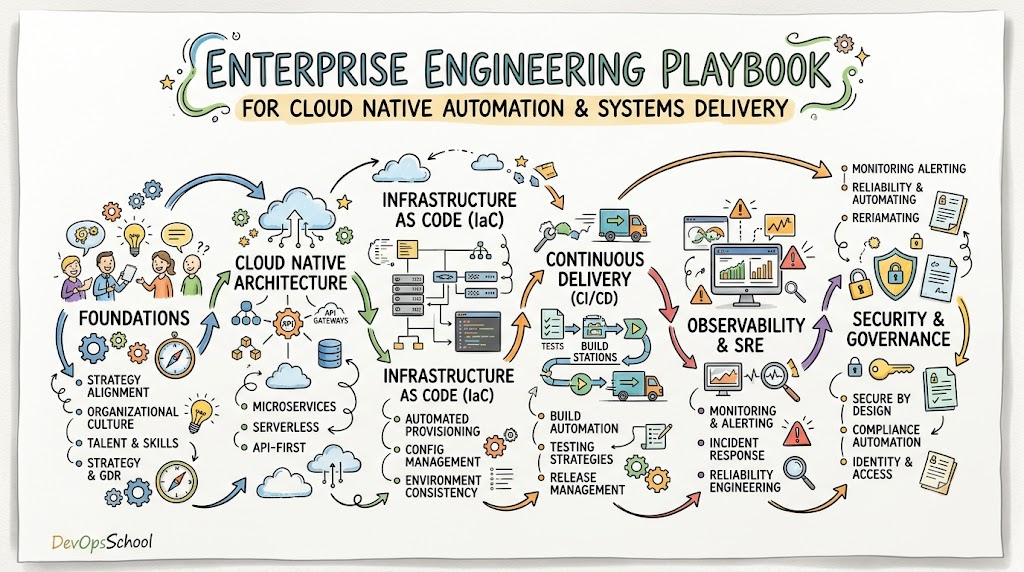
High-velocity engineering departments depend on tightly coupled automation tools across each phase of the software delivery lifecycle. Version management systems, distributed test runners, declarative configuration engines, and unified telemetry aggregators form the primary foundation of this ecosystem.
Engineers routinely bind Git platforms with automated engines like Jenkins, GitLab, or GitHub Actions to drive reliable pipelines. Meanwhile, declarative systems enforce absolute environment consistency across diverse multi-cloud target environments.
- Source Control Platforms: Developers maintain code history, enforce peer code reviews, and track production revisions using distributed Git workflows.
- Continuous Automation Engines: Automated agents trigger test runs, assemble immutable container binaries, and orchestrate zero-downtime rollouts.
- Declarative Configuration Tooling: Centralized state scripts spin up identical test, staging, and live hosting platforms automatically.
- Centralized Observability Hubs: Unified log engines and metric monitors catch performance regressions before end users report system degradations.
What Is DevOps and Why Does It Matter Today?
DevOps establishes an operational framework where cross-functional product squads accept direct accountability for software release velocity and runtime stability. This cultural alignment dismantles historical friction between application coders and system operators.
Empirical studies confirm that agile engineering teams deploy working code substantially faster than bureaucratic organizations. Frequent, automated test cycles dramatically minimize change failures, keeping mission-critical services operational.
Adopting these collaborative practices enables development teams to deliver valuable features rapidly while maintaining bulletproof system resilience. Companies that nurture these capabilities outpace competitors in digital agility and customer retention.
How CI/CD Improves Software Delivery
Continuous integration engines convert manual, error-prone deployment scripts into standardized, push-button background operations. Developers push commits into shared branches, triggering instant automated build checks and regression test suites.
These rapid integration tests catch breaking regressions long before code reaches staging environments. Tighter feedback loops reduce operational release risk and preserve valuable engineering momentum.
Many technical specialists pursue DevOps Certification China programs to validate their mastery over blue-green and canary delivery methodologies. Certified engineers build resilient automated delivery tracks that maintain zero-downtime application availability.
Why Infrastructure as Code Matters
Manual system configuration introduces configuration drift, unrecorded discrepancies, and catastrophic operational variance across staging environments. Declarative Infrastructure as Code solves this dilemma by managing computing resources, networks, and firewalls as versioned software artifacts.
Using tools like Terraform and Ansible, engineers write reproducible templates that eliminate manual configuration steps. Operations teams then recreate identical cloud platforms across testing, staging, and disaster recovery zones in minutes.
- Idempotent Execution: Declarative scripts ensure environments match exact target configurations without accidental divergence.
- Audit-Ready Changes: Engineers inspect, review, and approve infrastructure revisions using standard pull requests.
- Rapid Disaster Recovery: Platform operators restore entire compromised cluster fleets swiftly using automated blueprints.
Containers and Kubernetes in Modern Engineering
Containers package software microservices alongside their specific operating dependencies, ensuring uniform behavior across local workstations and cloud platforms. Coordinating thousands of distributed container instances, however, requires a dedicated orchestration platform.
Kubernetes automates container scheduling, dynamic load balancing, health monitoring, and horizontal pod autoscaling across hybrid data centers. Through comprehensive Kubernetes Training China workshops, infrastructure engineers master service meshes, Helm charts, and declarative GitOps pipelines.
| Architectural Dimension | Traditional Virtualization | Standalone Containers | Kubernetes Clusters |
|---|---|---|---|
| System Overhead | Full guest OS overhead | Lightweight shared kernel | Coordinated container nodes |
| Startup Speed | Multiple minutes | Sub-second initiation | Instant automated scheduling |
| Recovery Strategy | Manual hypervisor intervention | Process restart policies | Autonomous node rescheduling |
Understanding Site Reliability Engineering
Site Reliability Engineering treats systems administration as a software engineering discipline rather than a reactive operational chore. By balancing rapid release cycles against strict reliability boundaries, reliability teams safeguard the overall user experience.
Engineering departments use actionable Service Level Indicators and Service Level Objectives to calculate precise error budgets. Product managers launch experimental features aggressively until exhausted error budgets enforce an immediate stabilization phase.
Comprehensive SRE Training China curricula empower teams to eradicate repetitive operational toil through programmatic automation. Engineers run blameless postmortems and build advanced telemetry pipelines that remediate runtime anomalies automatically.
Bringing Security Into the Development Lifecycle
Post-deployment security reviews invariably cause friction and delay critical enterprise release schedules. DevSecOps solves this friction by shifting automated security testing directly into the continuous integration workflow.
Through rigorous DevSecOps Training China tracks, developers implement continuous code analysis, automated vulnerability evaluations, and container image scans. Security teams enforce zero-trust policies and programmatic credential governance without dampening developer velocity.
- Static Code Analysis: Automated security tools discover architectural vulnerabilities directly inside source repositories.
- Dependency Auditing: Automated scanners flag vulnerable third-party components before packaging begins.
- Vault Integration: Dedicated secrets platforms safeguard API tokens and production database passwords away from source trees.
Cloud Computing and Modern Infrastructure
Cloud computing frees modern companies from the expensive physical overhead of on-premises server racks. Multi-cloud designs allow businesses to avoid vendor lock-in while optimizing runtime resource usage and geographic latency.
Practical Cloud Computing Training China courses guide engineers through building resilient, fault-tolerant infrastructure across major cloud providers. Platform architects design elastic serverless backbones that easily absorb massive spikes in user traffic.
Engineering groups implement strict programmatic access controls and compliance policies across every deployed service. These governance mechanisms ensure total data protection across expansive multi-region environments.
Platform Engineering and Developer Experience
Complex microservice topologies often overburden application developers with excessive infrastructure overhead and deployment maintenance. Platform engineering teams solve this bottleneck by building self-service internal developer portals.
These curated internal platforms provide golden paths that guide developers toward secure, standardized deployment workflows. Advanced Platform Engineering Training China modules teach infrastructure architects how to construct internal control planes and GitOps pipelines.
Internal developer platforms remove operational friction, streamline team onboarding, and apply organizational standards automatically. Developers then dedicate their time to core business logic rather than troubleshooting pipeline configurations.
The Rise of MLOps
Machine learning models require robust operational lifecycles to deliver reliable predictions inside production applications. Without systematic delivery pipelines, data science teams struggle to move algorithms out of experimental notebook environments.
MLOps bridges this gap by applying continuous delivery and automated testing to machine learning systems. Structured MLOps Training China tracks train data engineers to automate feature stores, model retraining loops, and containerized inference deployments.
Automated drift monitoring platforms notify engineers the instant live data diverges from historical training baselines. Production systems therefore preserve prediction accuracy and generate consistent business value over extended periods.
Building an Effective DevOps Learning Roadmap
Mastering modern infrastructure requires a methodical progression through core operating system fundamentals and distributed orchestration tools. Engineers must build deep command of operating system internals, networking protocols, and Git workflows first.
Learners then advance into containerization concepts, Kubernetes administration, and declarative infrastructure automation scripts. The journey culminates with advanced telemetry engineering, pipeline security gates, and platform design.
- System Fundamentals: Build fluency in Linux command-line tools, process hierarchies, and shell automation scripts.
- Container Building: Master Dockerfile construction, image footprint reduction, and container networking.
- Cluster Administration: Configure Kubernetes pods, ingress controllers, persistent volumes, and cluster networks.
- Pipeline Engineering: Create multi-stage continuous delivery workflows that run tests and trigger canary deployments.
- Declarative Provisioning: Write modular Terraform code to build cloud infrastructure across multiple regions.
Individual Learning vs Enterprise Training
Independent study provides valuable conceptual foundations, but it rarely exposes students to large-scale enterprise complexities. Structured corporate training cohorts, conversely, tackle complex architectural challenges using production-grade codebases and authentic cloud environments.
Customized Corporate DevOps Training China initiatives align distributed development and operations teams around shared engineering standards. Companies modernize legacy systems faster while eliminating communication breakdowns between regional engineering teams.
Enterprise learning cohorts adopt a unified technical vocabulary, accelerating complex cloud migrations. Engineering groups execute architectural pivots smoothly and deliver enterprise transformations on schedule.
When Organizations Need DevOps Consulting
Ambitious modernization programs often stall when companies encounter legacy codebases, outdated architectures, and rigid operational habits. Seasoned DevOps Consulting China advisors evaluate delivery pipelines and construct pragmatic modernization strategies.
External specialists locate hidden delivery bottlenecks, standardize toolchains, and implement automated compliance guardrails tailored to business goals. Senior consultants provide real-world architectural mentorship, helping internal staff steer clear of common transformation traps.
- Process Audits: In-depth evaluations uncover delivery pipeline roadblocks and system reliability risks.
- Pipeline Overhauls: Seasoned architects build resilient, automated delivery platforms using battle-tested design patterns.
- Architecture Modernization: Clear roadmaps help engineering teams safely carve modular services out of legacy monoliths.
How to Choose the Right DevOps Training Program
Selecting an effective educational program requires checking for authentic, hands-on lab environments over passive slide presentations. True operational proficiency develops when engineers troubleshoot broken clusters, fix failed builds, and debug live systems.
Seek out programs led by experienced practitioners who manage large-scale cloud systems every single day. The best curricula dedicate substantial time to container orchestration, real-time telemetry, and declarative infrastructure scripts.
Ensure the curriculum includes hands-on capstone projects, structured technical feedback, and clear paths to industry-recognized certifications. Choosing interactive, mentor-led programs pays massive dividends across your professional career.
Common Mistakes When Learning DevOps
Aspiring engineers frequently chase trendy tools instead of mastering the foundational principles that underpin modern infrastructure. Tools change continuously, but Linux internals, computer networking, and system design patterns remain remarkably constant.
Another widespread misstep involves building automated deployment scripts while completely skipping automated testing frameworks. Accelerating the deployment of unverified code simply delivers bugs and outages to customers faster.
- Chasing Tool Hype: Memorizing niche software interfaces without understanding the underlying technical challenges they solve.
- Skipping Core Basics: Neglecting Linux memory management, storage layers, and network routing fundamentals.
- Overlooking Observability: Rolling out production services without configuring proper telemetry, distributed tracing, and log streams.
Practical Skills That Matter in Production
Hiring managers consistently seek engineers who demonstrate hands-on debugging skills under high-pressure operational conditions. Theoretical trivia might pass a screening call, but live incidents demand sharp troubleshooting instincts.
Engineers must know how to trace network packet drops, inspect crashing pods, and resolve corrupt infrastructure states. Candidates who automate incident recovery tasks protect their companies from crippling operational outages.
Engineers who build dependable, self-healing architectures earn tremendous respect across enterprise tech departments. Hands-on practitioners with verified troubleshooting skills command exceptional compensation and industry authority.
DevOps Career Opportunities in China
The rapid spread of cloud-native infrastructure, artificial intelligence, and enterprise digitization creates huge demand for operations specialists. Tech companies throughout Beijing, Shanghai, Shenzhen, and Hangzhou actively recruit top infrastructure talent.
Firms offer lucrative compensation packages to certified Kubernetes experts, platform engineers, and site reliability specialists. Multinational organizations actively seek bilingual technical specialists capable of aligning regional engineering hubs with global standards.
As enterprise teams migrate legacy services to modern cloud backbones, demand for automation talent will continue to climb. Obtaining recognized technical credentials provides an enduring foundation for career advancement into executive engineering roles.
Why Practical Learning Is Important
System administration and platform engineering are hands-on crafts that require real-world trial, failure analysis, and iterative improvement. Reading reference manuals or watching recorded tutorials cannot teach you how to resolve an unexpected production outage.
Isolated lab sandboxes give engineers the freedom to break cluster setups, test failure modes, and execute emergency rollbacks safely. Hands-on repetition builds the composure and muscle memory engineers need during critical production incidents.
Engineers who practice commands in live terminals tackle complex enterprise projects with absolute clarity and poise. Hands-on experience turns theoretical architecture patterns into dependable, production-grade results.
Practical Learning Frameworks for Real-World Engineering
Hands-on training frameworks emphasize immersive lab environments structured around actual enterprise engineering scenarios. Students configure automated delivery pipelines, manage production-scale Kubernetes clusters, and provision multi-cloud environments.
Seasoned enterprise mentors guide participants through realistic failure simulations, passing along practical wisdom gathered over decades of field work. Students cultivate practical capabilities that deliver tangible value from their very first day on an engineering team.
Individual engineers seeking rapid career advancement and enterprise teams modernizing legacy infrastructure gain immense value from targeted, lab-based programs. Hands-on learning paths equip engineers with the exact skills needed to thrive in modern software delivery ecosystems.
Frequently Asked Questions
1. Which specific engineering disciplines do these specialized courses teach?
These comprehensive courses cover Kubernetes cluster administration, automated DevSecOps pipelines, Site Reliability Engineering, cloud architectures, internal platform design, MLOps, and CI/CD automation.
2. How do interactive cloud sandboxes improve technical skill retention?
Students execute real shell commands inside dedicated cloud labs where they construct, test, scale, and debug complex multi-node production infrastructure configurations directly.
3. Do the training tracks prepare candidates for official enterprise certifications?
Yes, the structured curricula prepare candidates to pass globally recognized examinations in Kubernetes management, cloud architecture, and modern DevOps engineering.
4. Can companies tailor the learning modules for their specific enterprise stack?
Yes, enterprise clients can design custom training tracks aligned directly with their specific technology stacks, development workflows, and corporate modernization roadmaps.
5. Who guides the interactive technical workshops and project evaluations?
Active industry veterans who design, scale, and maintain high-traffic production platforms lead all instruction and mentorship sessions.
6. What dedicated consulting options assist organizations facing complex platform migrations?
Senior enterprise consultants perform delivery maturity assessments, optimize existing pipelines, automate infrastructure deployments, and guide technical modernization programs.
7. How do the platform engineering modules assist internal development teams?
Dedicated modules guide engineers through architecting internal developer portals, creating self-service infrastructure blueprints, and managing GitOps delivery pipelines.
8. What baseline foundational skills should students possess before starting?
Students should arrive with a working knowledge of command-line terminals, fundamental operating system concepts, and basic software development workflows.
9. How frequently do technical directors update the course syllabus and labs?
An expert advisory board continuously revises lesson plans and lab blueprints to reflect emerging industry patterns, cloud-native releases, and current security practices.
10. What post-training support systems assist graduates during career transitions?
Graduates retain access to active engineering community channels, detailed technical guides, interview preparation toolkits, and mentor advisory networks.
Final Thoughts
Unforgiving market competition punishes fragile deployment workflows, unmonitored production clusters, and manual infrastructure changes without exception. Modern technical directors who enforce automated testing, programmatic cluster configuration, and proactive security practices build an undeniable competitive advantage.
Transforming into a resilient technology organization requires authentic keyboard practice inside real-world terminal environments. Investing in comprehensive automation capabilities today ensures that engineering teams ship features rapidly, minimize operational downtime, and scale digital services effortlessly.
